The Dilder Gets a Speaker, a Motion Sensor, and a Better Joystick
Today's build session gave the Dilder three new tricks: it can make noise, sense when you tilt it, and the joystick finally sits exactly where it should. Here's what changed and why.
The Joystick Was Off-Center (and Nobody Noticed)
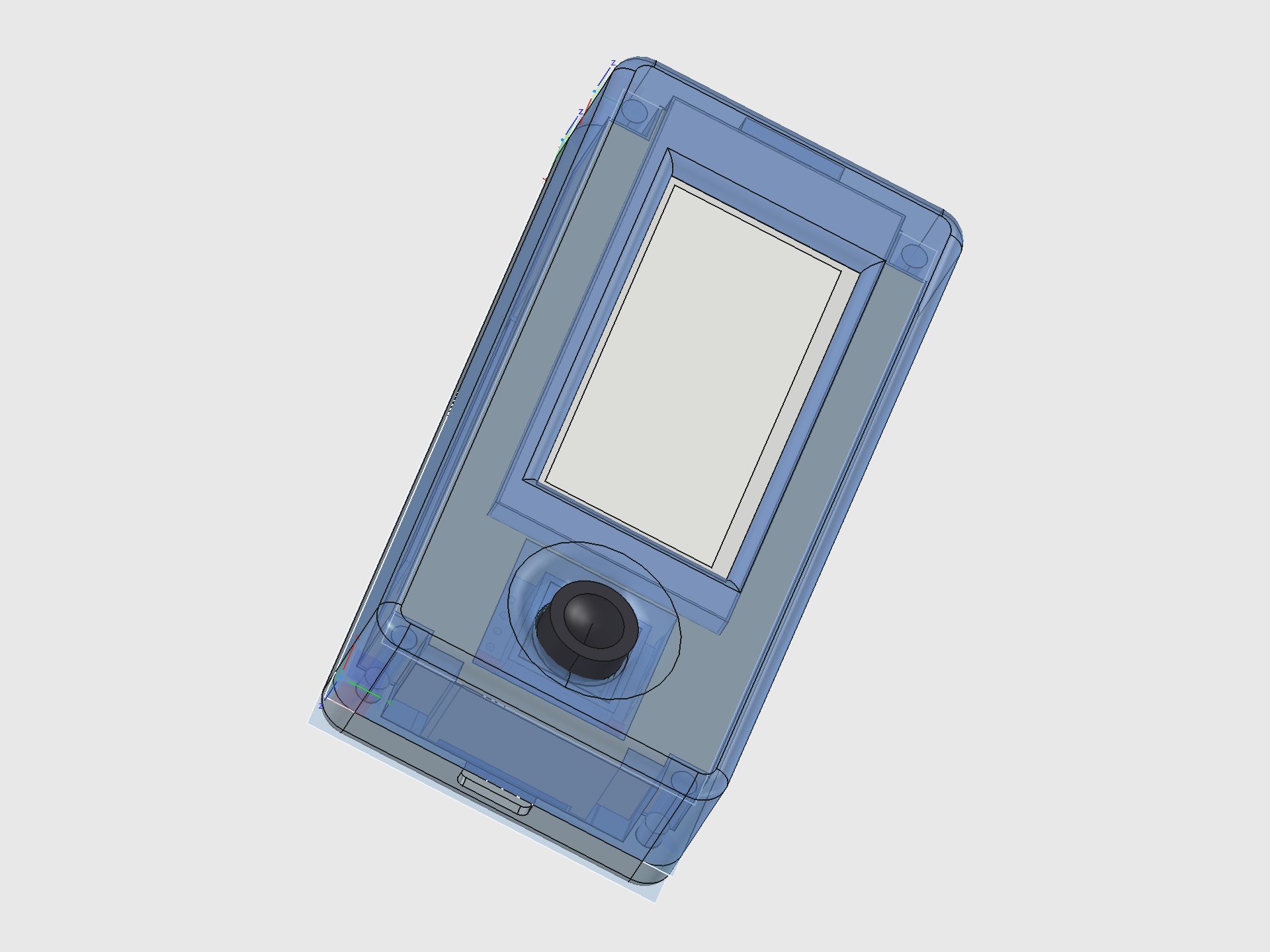
You know that feeling when something looks almost right but you can't figure out what's bugging you? Turns out the joystick peg was sitting about 0.7 mm off-center in its hole. Not enough to see with your eyes, but enough that the thumbpiece wasn't swinging evenly in all directions.
The fix was embarrassingly simple — a number was being added twice where it should have been added once. One line changed, and now the peg sits dead-center. Sometimes the smallest bugs are the most satisfying to squash.
A New Way to Hold the Joystick Switch
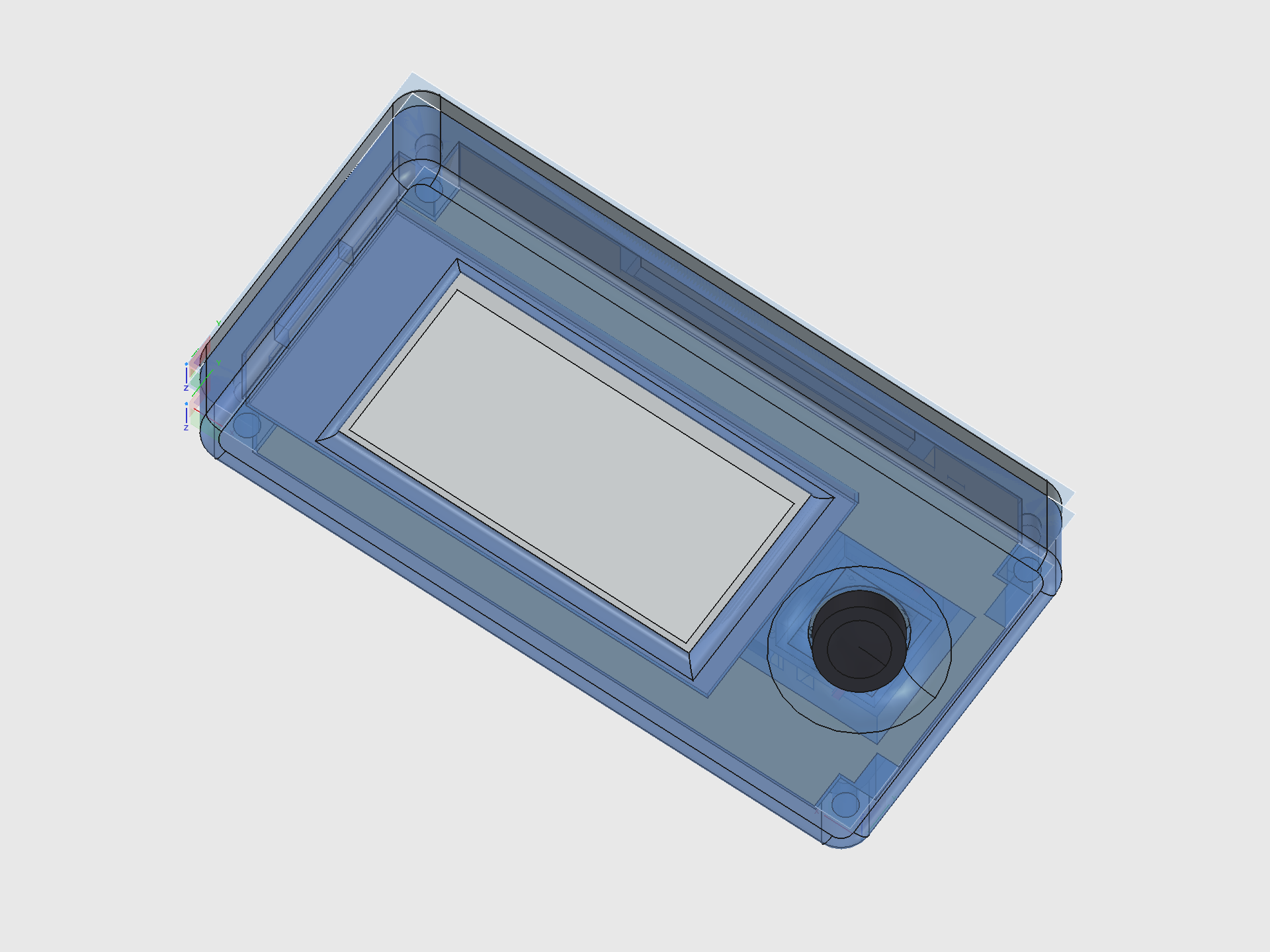
The old design used a bulky sleeve that wrapped around the entire joystick circuit board inside the cover. It worked, but it was overengineered — lots of material, tight tolerances, and it made the cover complicated to print.
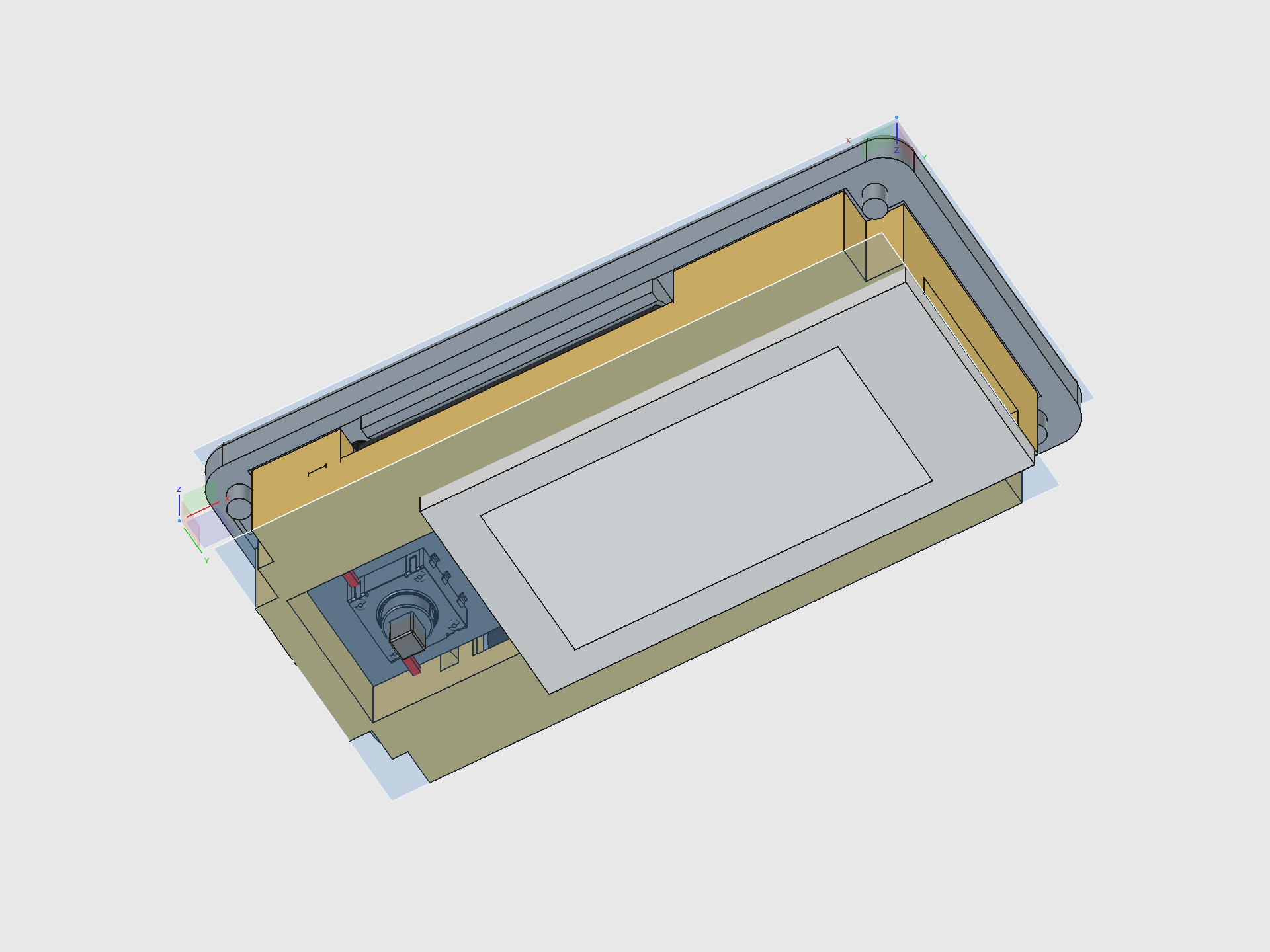
The new approach is simpler: a square collar that wraps just around the switch body itself, extending down from the cover's face plate and stopping exactly at the top of the circuit board. Think of it as a guide rail — the switch body slides up through the collar, and the collar keeps it centered without touching the board underneath.
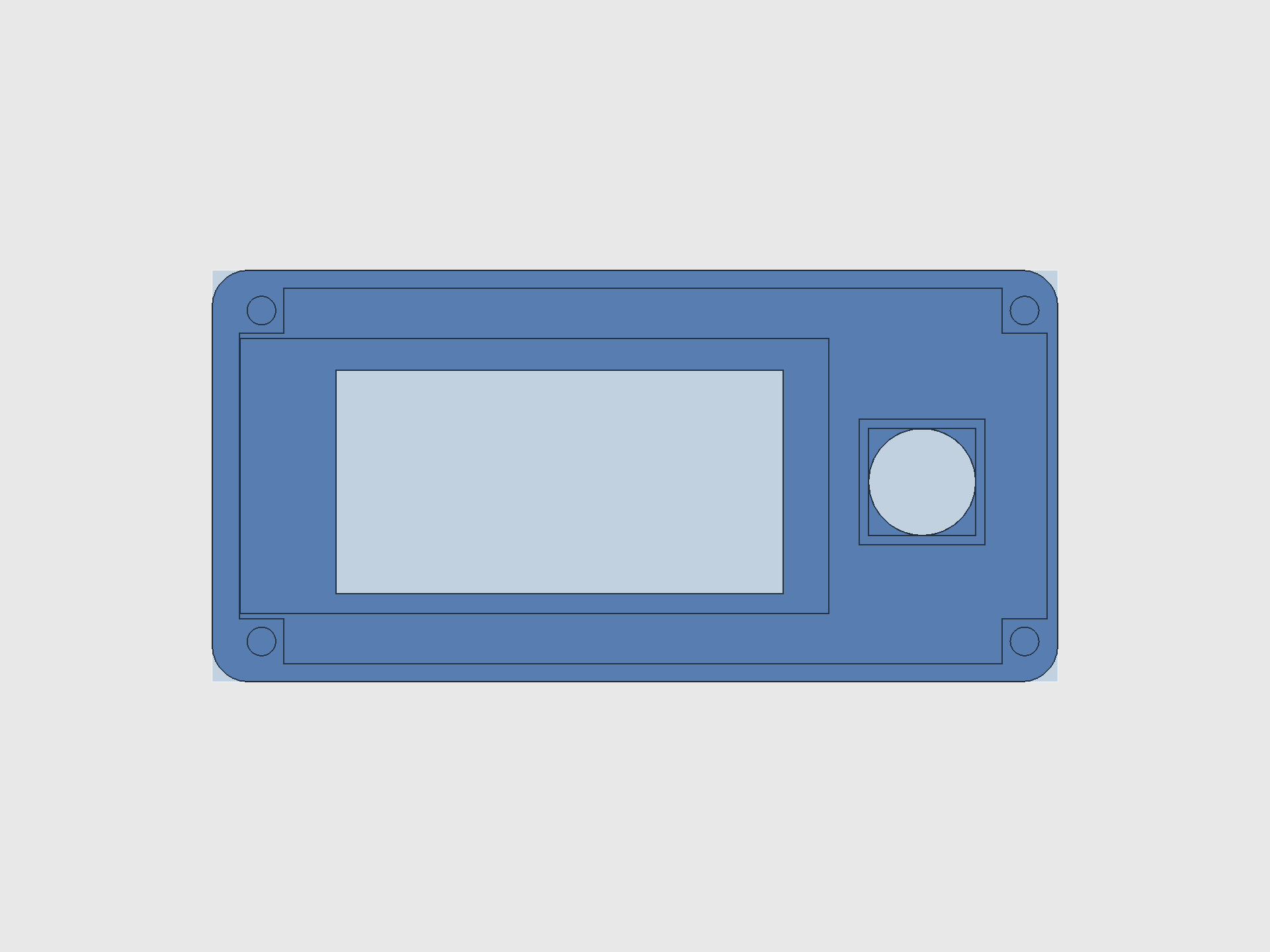
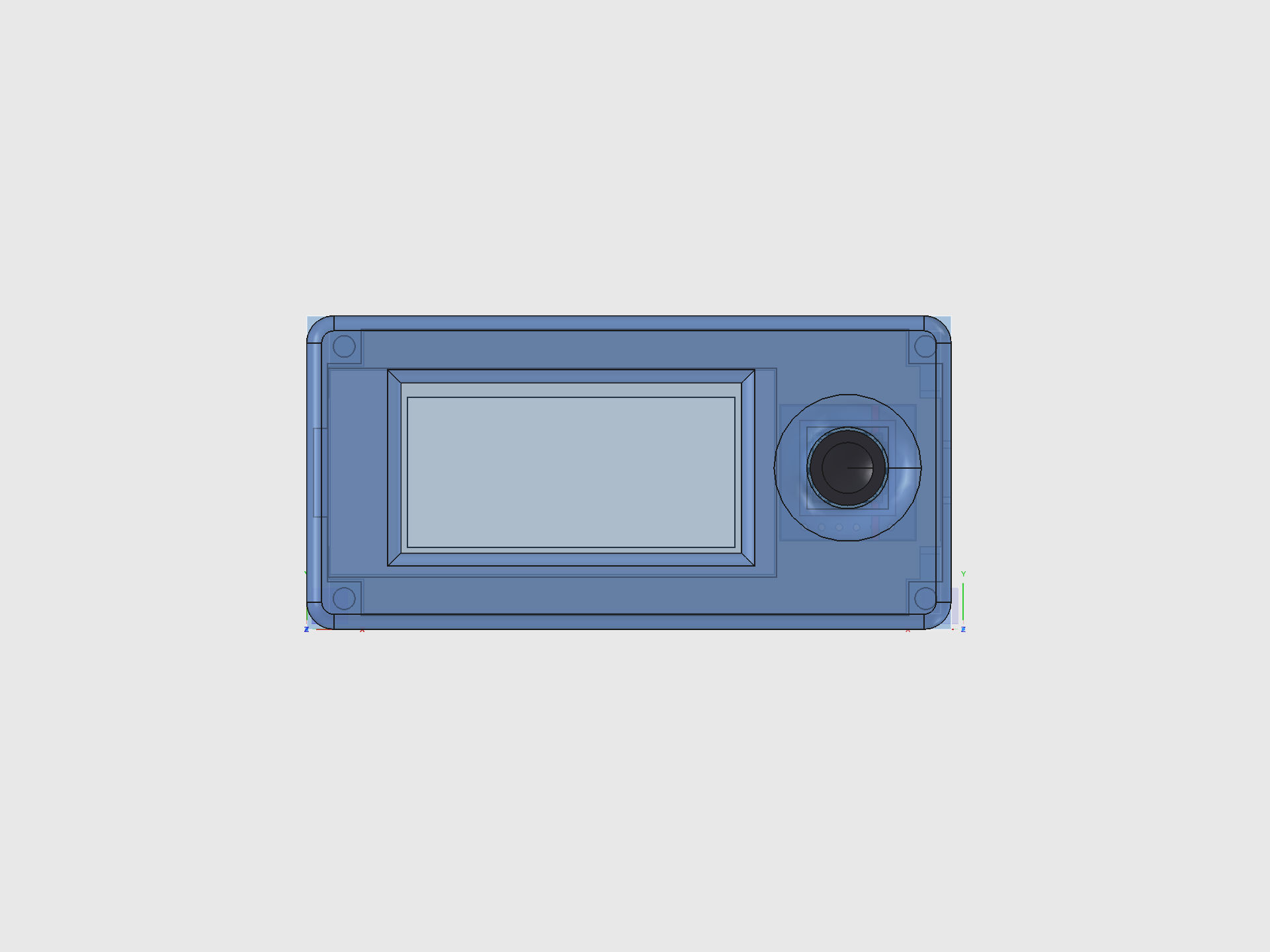
The slot in the cradle that holds the joystick board also got tighter. It used to have almost 2 mm of wiggle room on each side — now it's just 0.2 mm. The board slides in and stays put.
It Has a Speaker Now
A tiny brass disc the size of a coin. That's the speaker — a 20 mm piezo element, thinner than a credit card (0.42 mm total). It sits in a circular ring printed right into the base plate, dead center between the battery slots.
The ring has a 1 mm wall around it that's just tall enough to hold the disc in place. You can slide the piezo in or glue it — either way it's not going anywhere.
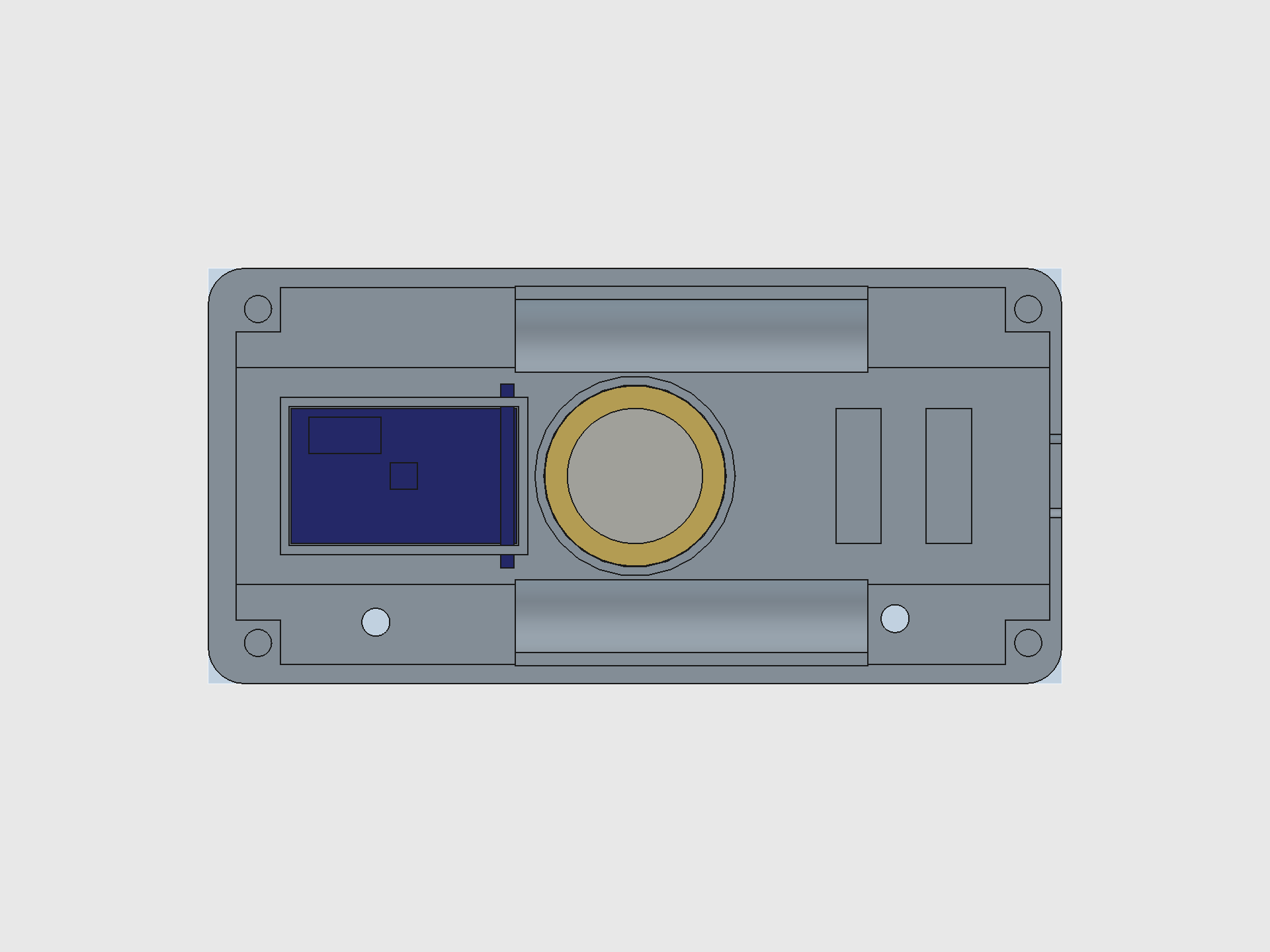
Will it be loud? No. Will it beep angrily when you forget to feed the octopus? Absolutely.
It Can Feel You Move
Next to the speaker sits a tiny blue circuit board — an MPU-6500 accelerometer and gyroscope. Six axes of motion sensing in a package smaller than a postage stamp. It drops into its own rectangular pocket on the base plate, held in place by a printed retaining wall.
What's it for? The octopus will know when you pick it up, tilt it, shake it, or leave it sitting on your desk for too long. Motion-reactive emotions: shake it and it gets dizzy, leave it still and it gets bored, flip it upside-down and it panics.
Neither the speaker nor the motion sensor mess with the Pico's WiFi — they're low-frequency components in plastic housings, nowhere near the 2.4 GHz band.
The Assembled Device
What's Next
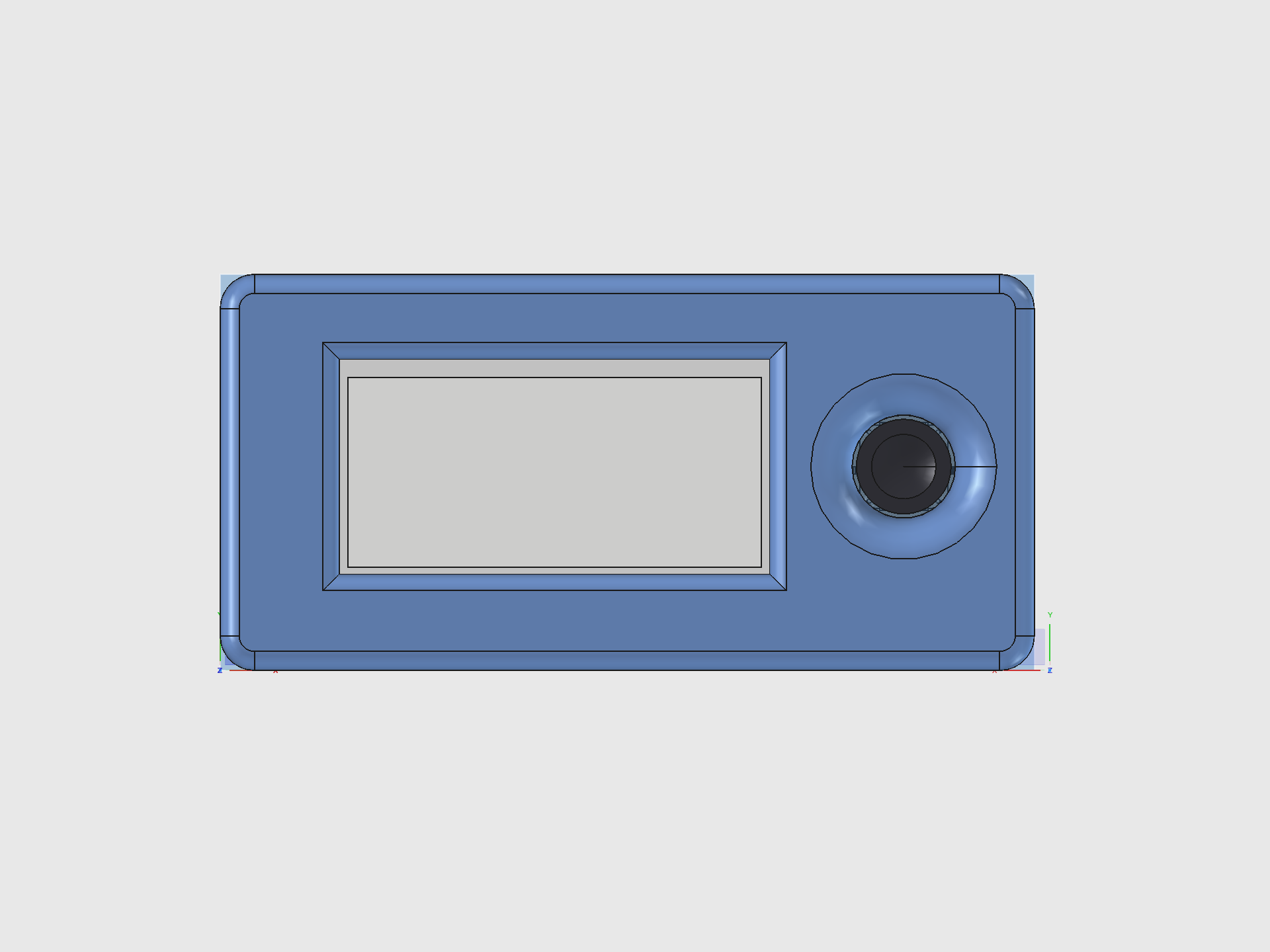
The hardware is getting close to feature-complete. The enclosure now has a display, joystick, speaker, motion sensor, solar panel, USB-C charging, and room for two AAA batteries. Next up: wiring everything together and getting the firmware to actually use these new sensors. The octopus has ears and balance now — time to teach it to react.